
Download our FREE Guide to Renter’s Rights

Your landlord had a duty. They failed you.

At Wolford Wayne LLP, we stand up for tenants who have suffered injuries or property damage due to their landlord’s negligent apartment maintenance. When negligent maintenance causes injury, San Francisco law holds property owners accountable. Broken stairs, faulty wiring, collapsing ceilings: if your landlord ignored the hazard, they may owe you compensation.

Tenants have the right to seek justice, and our seasoned tenant attorneys can help you determine your legal options. Contact our team at Wolford Wayne LLP to learn more about how our San Francisco premises liability lawyer can help.
What Is Premises Liability?

In California, the concept of premises liability allows tenants to hold landlords accountable when unsafe conditions cause them harm. In the context of rental properties, landlords are responsible for addressing hazards that could lead to injuries, such as:

  • Broken stairs or railings
  • Water leaks or mold growth
  • Faulty wiring or electrical hazards
  • Plumbing issues that cause flooding
  • Inadequate security leading to criminal acts
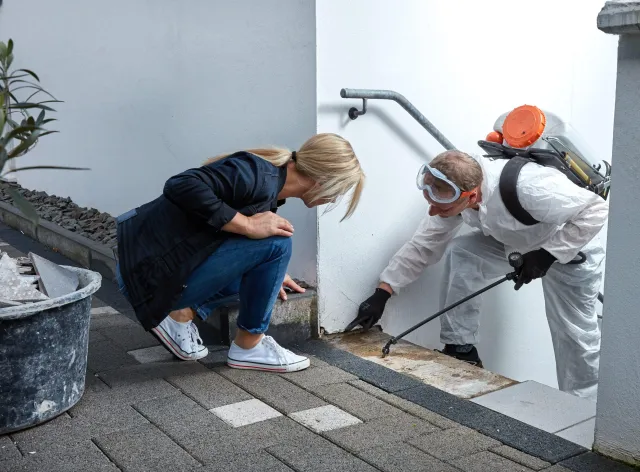
  • Pest infestations
  • Structural issues, such as collapsing ceilings or walls

If your landlord ignored repair requests or failed to maintain the property, and you or your loved ones suffered a serious injury as a result, you may have a premises liability claim that our San Francisco attorneys can help you file.

50+

years of experience in representing tenants.

California law, particularly the Implied Warranty of Habitability, obligates landlords to maintain their rental properties to a standard that ensures tenant safety. Landlords must respond promptly to repair requests and address known dangers. Failing to act on hazards can constitute negligence. Examples of negligence include:

  • Delaying repairs for prolonged periods
  • Hiring unqualified contractors to handle critical safety issues
  • Ignoring complaints or concealing defects from tenants

If you have questions about whether your landlord in San Francisco acted negligently, reach out to our premises liability lawyer.

When Is a Landlord Legally Responsible for Your Injuries?

California law imposes a clear duty of care on landlords. Under Civil Code § 1941 and the broader negligence standard of § 1714, a landlord who knows, or should have known, about a dangerous condition and fails to repair it can be held liable for every harm that follows.

The Duty to Maintain Habitable Premises

California law requires landlords to keep rental properties in a safe, habitable condition. This covers structural integrity, functioning utilities, weatherproofing, working exits, and freedom from health hazards. Neglect of this duty creates legal liability.

Notice: Actual or Constructive

A landlord is liable when they knew about the hazard, or should have discovered it through reasonable inspections. A defect that has existed for months is presumed known. Written repair requests create powerful evidence of actual notice.

Causation and Damages

Our San Francisco attorneys must show the dangerous property condition that caused your injuries. Once that link is established, you may recover medical expenses, lost wages, pain and suffering, and in egregious cases of landlord indifference, punitive damages as well.

What Negligence Looks Like

The following scenarios are hypothetical illustrations of the types of premises liability cases our San Francisco attorneys handle. They are based on fact patterns common in San Francisco rental housing litigation and are provided for educational purposes only. They do not describe actual clients or cases.

A Cracked Tread, Ignored for Months

Imagine a tenant who rents a flat in the Mission District and submits two written repair requests over five months about a visibly cracked stair tread in the common stairwell. The property manager acknowledges the issue but says repairs are “scheduled.” One evening, her foot breaks through the tread. She falls, fracturing her ankle and tearing ligaments in her knee. Surgery and rehabilitation kept her out of work for four months. In a scenario like this, documented repair requests and the landlord’s written acknowledgment establish actual notice, which is a critical element of any negligence claim.

In Cases Of This Type

Written notice of a defect establishes the landlord’s actual knowledge. Under California Civil Code § 1941.1, structural stairways must be maintained in good repair. A failure to act within a reasonable time after receiving notice is textbook landlord negligence.

Outdated Wiring and a Smoke-Filled Bedroom

Consider tenants who have rented a Victorian flat in the Haight for three years and have repeatedly reported flickering lights, tripped breakers, and a burning smell near the kitchen outlet panel. The landlord’s handyman visits twice, replaces a single outlet cover, and declares the wiring “fine.” One winter night, an overloaded circuit sparks an electrical fire. The tenants escape but sustain smoke inhalation injuries, and one suffers burns while helping the other out of the room. Their belongings are destroyed. After the fire, a licensed electrician finds aluminum branch-circuit wiring installed in the 1960s, which is a well-documented fire hazard that a reasonable inspection would have uncovered.

In Cases Of This Type

Constructive notice applies when a landlord with aging 1960s wiring receives tenant complaints about burning smells and fails to arrange a licensed electrical inspection. That failure is not ignorance: it is willful avoidance. Claims can include medical expenses, property loss, and emotional distress.

A Leaking Roof, a Collapsed Ceiling, a Child Injured

Imagine a tenant who reports a roof leak above her child’s bedroom six times over two years. The landlord applies temporary patches but never addresses the underlying structural damage. During a rainy February, a large section of the ceiling collapses while her seven-year-old is doing homework beneath it. The child is struck by debris, suffering a concussion and a laceration requiring twelve stitches. Suppose further that the building had failed a city housing inspection the prior year, with the same roof area cited, a public record that would prove central in litigation.

In Cases Of This Type

A failed city inspection creates near-irrefutable evidence of actual notice. San Francisco’s Housing Code imposes independent obligations on property owners to maintain roofs and ceilings in safe condition. Repeated complaints combined with a prior inspection citation eliminate any defense that the landlord lacked knowledge of the danger.

A Dark Parking Garage and a Broken Hip

Consider an older tenant who has mentioned to building management, on multiple occasions, that the underground parking garage has been chronically under-lit for over a year. One evening, he trips over an unmarked concrete wheel stop in the darkened garage and suffers a hip fracture requiring surgical repair. Recovery takes seven months. A landlord’s duty of care extends to all common areas, and adequate lighting in a parking structure is a fundamental requirement under San Francisco’s Building Code.

In Cases Of This Type

Landlords bear full responsibility for maintaining common areas safely. Inadequate lighting in a parking structure is a foreseeable cause of falls. Tenant complaints combined with visible inaction, followed by a resulting injury, support a strong premises liability claim.

Chronic Mold and a Respiratory Condition

Imagine a tenant who reports persistent moisture and visible black mold in her bathroom and bedroom closet for over eighteen months. The landlord sends a worker to paint over the mold twice. No remediation is performed. The tenant develops chronic bronchitis and is diagnosed with mold-triggered respiratory hypersensitivity, requiring daily inhalers and causing repeated missed workdays. Expert testing later identifies black mold in the wall cavities that painting over the surface could never address, and would only conceal.

In Cases Of This Type

California law recognizes that cosmetic remediation of mold, when a landlord is on notice of a persistent moisture problem, constitutes willful neglect. Damages can include ongoing medical costs, diminished quality of life, and, if deliberate concealment is involved, additional remedies under consumer protection law.

When Neglect Leads to Harm

Negligence in apartment maintenance can have serious consequences. Tenants may suffer:

  • Serious Physical injuries such as burns, broken bones, torn ligaments, resulting from lips, trips, or falls or fires.
  • Chronic health issues caused by mold, pests, or other environmental factors.
  • Financial losses for medical bills, rent differential damages for losing their rent controlled apartment, or property damage.

At Wolford Wayne LLP, our premises liability attorneys believe no tenant in San Francisco should endure preventable harm caused by their landlord’s inaction.

What Your Case May Be Worth

Every Loss Has a Value. We Fight for All of It.

Landlord negligence injuries carry real financial and personal costs. Our job is to ensure nothing is left on the table.

Medical Expenses

Emergency care, surgery, physical therapy, ongoing treatment, and future medical costs related to your injury, all past and anticipated.

Lost Wages and Earning Capacity

Income lost during recovery, and reduced future earning capacity if your injuries affect your ability to return to work at the same level.

Pain and Suffering

Physical pain, emotional distress, anxiety, sleep disruption, and the diminishment of your daily enjoyment of life are all compensable in California.

Property Loss

Damage to or destruction of your personal belongings, such as furniture, electronics, clothing, valuables, resulting from fires, floods, or structural failures.

Relocation and Housing Costs

If your unit became uninhabitable, the cost of temporary housing, moving expenses, and rent differential while displaced may all be recoverable.

Punitive Damages

When a landlord’s conduct is particularly reckless or malicious, such as concealing known hazards or retaliating against tenants who complained, California courts may award additional punitive damages.

Start Your Premises Liability Case Today With Help From a San Francisco Attorney

You should not bear the cost of your landlord’s negligence.

Wolford Wayne, LLP has represented San Francisco tenants for over two decades. We work on contingency: you pay no attorney fees unless we recover compensation for you. Your consultation is confidential and completely free.

Call us at (415) 649-6203 or fill out our online contact form to schedule a consultation with a San Francisco premises liability lawyer. Let Wolford Wayne LLP stand up for your rights as a tenant and hold negligent landlords accountable.

$2 Million

Recovered on behalf of a South Bay Family after an apartment fire caused severe burns to a minor due to the lack of fire safety equipment.

$ 1.56 Million

Recovered on behalf of a group of 30 tenants living in an SRO in San Francisco who were living with horrendous conditions in their rent controlled apartments, including rodents, bedbugs, mold, water leaks, and harassment.

$1.3 Million

Recovered on behalf of a group of tenants living in an SRO in San Francisco dealing with negligent management, pest infestations and poor living conditions.

$1 Million

Recovered on behalf of a San Francisco family who were forced out of their long term home due to toxic mold and bad living conditions.

$ 850,000

Recovered on behalf of a San Francisco tenant who suffered personal injuries and was forced to vacate his home of fifteen years after dealing with many months of environmental contamination and disruptive and nuisance construction conditions.

$ 800,000

Recovered on behalf of an Oakland tenant who suffered a serious injury due to her landlord’s negligent maintenance of her home.

$ 750,000

Recovered on behalf of a couple living in a rent-controlled home in the outer Sunset neighborhood. Our clients were forced to vacate after the landlord served them with an Owner Move-In Eviction Notice. After the landlords failed to move into the property, our clients filed suit for wrongful eviction.

$ 700,000

Recovered for a long-term tenant in San Francisco. Our client was forced to move out of his apartment as a result of extreme landlord harassment.

$ 575,000

Recovered on behalf of a San Francisco couple who were forced to give up their home of over twenty years after their landlord’s dog attacked and killed their dog.

$ 575,000

Recovered on behalf of an elderly, disabled San Francisco tenant who was forced to move out of her rent-controlled San Francisco apartment of 50 years after the landlord/owner failed to resolve numerous building code violations that remained outstanding for over a decade.

$ 560,000

Recovered on behalf of two San Francisco tenants who were wrongfully evicted via a fraudulent owner move-in eviction where the owner failed to occupy the property as their principal place of residence.

$ 550,000

Recovered on behalf of a San Francisco tenant who was forced to vacate his home as a result of ongoing, disruptive construction and the owner’s refusal to provide him with alternative housing.

$ 525,000

Recovered on behalf of a tenant living in an illegal unit who was wrongfully evicted. Our client was forced to vacate under false pretenses while her landlord undertook supposedly necessary construction and then was never allowed to return.

$ 450,000

Recovered for a San Francisco tenant who was injured when her stairway railing collapsed.

$ 450,000

Recovered in action for a group of tenants forced to vacate their San Francisco apartment due to severe habitability defects, including mold and water leaks.

$ 395,000

Recovered on behalf of two long term San Francisco tenants who were fraudulently evicted from their home of over twenty years under the pretext of an owner move-in eviction.

$ 375,000

Recovered on behalf of a San Francisco family that was constructively evicted from their home in the Richmond District as a result of unlawful rent increases, defective conditions, and tenant harassment.

$ 375,000

Recovered on behalf of an elderly long-term tenant who was forced to vacate her long San Francisco apartment as a result of her landlord’s refusal to address longstanding defective conditions, including lack of heat, mold, rodent infestations, and defective plumbing.

$ 325,000

Recovered on behalf of seven tenants living in a makeshift boarding house in East Palo Alto.

$ 300,000

Recovered on behalf of three families living in a building in San Francisco’s SOMA neighborhood who were forced to live with substandard conditions for years as a result of their landlord’s negligence, including issues with lack of heat, lack of hot water, and cockroach/rat infestations.

$ 300,000

Recovered on behalf of a San Francisco tenant in Russian Hill. The tenant was forced to vacate her illegal apartment in retaliation for reporting unlawful rent increases to the San Francisco Rent Board. Our client was forced to vacate after her landlord served our client with a series of eviction notices and told her the apartment was unsafe to live in.

$ 300,000

Recovered on behalf of three long-term tenants in San Francisco’s Castro neighborhood who were constructively evicted due to noise and nuisance conditions created by their downstairs neighbors, which the owner refused to address.

Awards & Associations