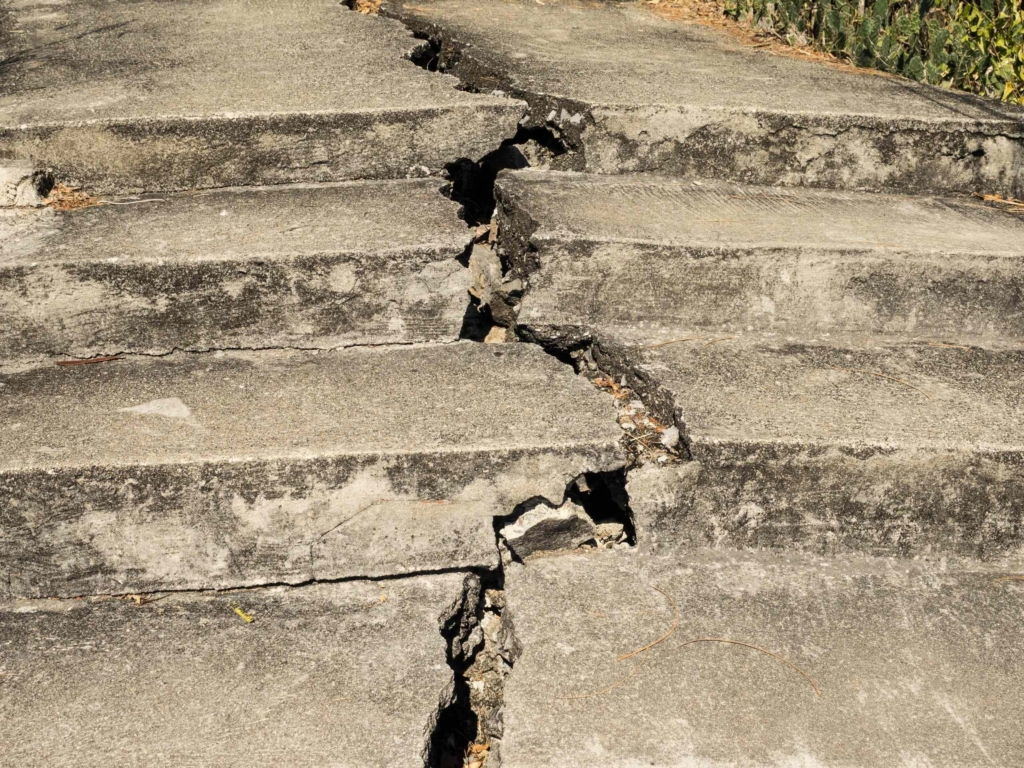
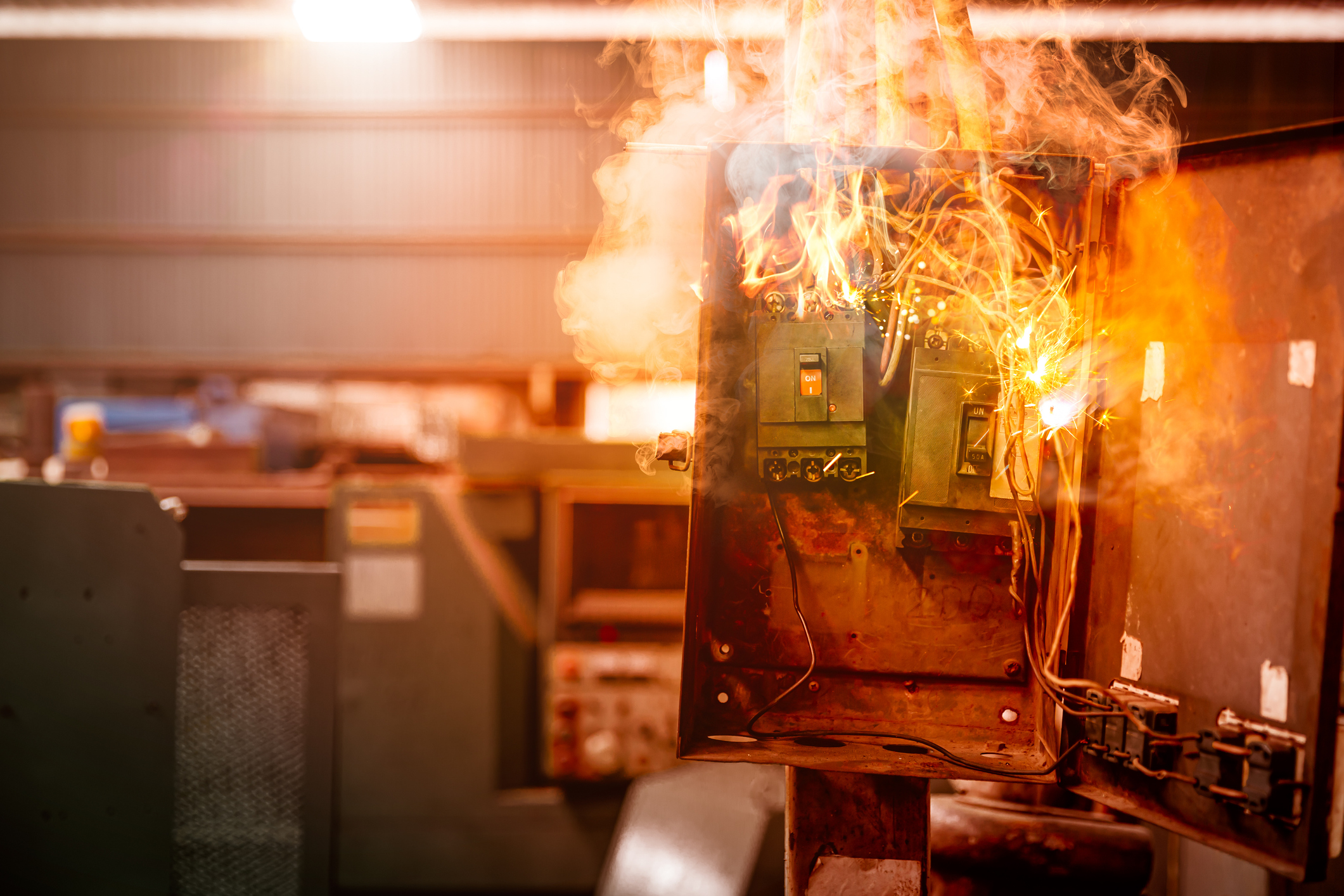
A burning smell that lingers for weeks. Lights that flicker whenever you turn on the microwave. Circuit breakers that trip so often you stop reporting it. For many renters in San Francisco and Oakland, these are not minor inconveniences. They are warning signs of deeper electrical problems that can and do end in devastating apartment fires.
When a fire breaks out in a rental property, tenants face immediate chaos: emergency responders, smoke damage, destroyed belongings, and sudden displacement. But beyond the shock and trauma lies an important legal question: could this fire have been prevented?
If faulty wiring, overloaded circuits, or ignored repair requests contributed to the blaze, landlord negligence may be at the center of the disaster. If that’s the case, tenants may be entitled to significant compensation for displacement, property loss, and emotional distress under California law.
Electrical Fires in San Francisco Apartments Are Preventable
The Bay Area’s housing stock includes a large number of older buildings. Many properties were constructed decades before modern electrical demands became the norm. Today’s tenants rely on high-powered appliances, home office equipment, space heaters, and multiple electronic devices. These devices are often plugged into electrical systems that were never upgraded to handle the load.
Electrical fires in SF apartments are often caused by predictable hazards:
- Outdated wiring that no longer meets code.
- Overloaded circuits in units with insufficient amperage.
- Improperly installed outlets or DIY electrical repairs.
- Exposed wiring hidden behind walls.
- Repeated breaker failures that are “patched” instead of fixed.
In many cases, tenants reported burning smells, buzzing outlets, or persistent breaker trips long before the fire. When a landlord ignores those complaints or delays necessary repairs, the risk of a catastrophic overloaded circuit fire increases dramatically.
The Legal Duty to Maintain Safe Electrical Systems
Under California Civil Code § 1941, landlords must provide rental units that are safe and fit for human habitation. That includes maintaining electrical systems in safe working order.
The California Health and Safety Code § 17920.3 require landlords to ensure:
- Electrical wiring complies with building and fire codes.
- Outlets and panels function safely.
- Units do not pose fire hazards due to overloaded systems.
- Necessary inspections and repairs are performed promptly.
Your landlord can’t avoid responsibility by claiming ignorance if you’ve reported electrical problems or other safety issues or fire risks in writing. Nor can they rely on superficial repairs that fail to address underlying code violations. When a landlord knew (or should have known) about faulty wiring and failed to act, that failure may constitute negligence.
Local laws may provide more specific protections. For example, the San Francisco Rent Board Rules and Regulations Section 12.19 states that that,
“If a tenant is forced to vacate her/his unit due to fire or other disaster, the landlord shall, within 30 days of completion of repairs to the unit, offer the same unit to that tenant under the same terms and conditions as existed prior to her/his displacement.”
In other words, the landlord cannot use a fire to force out a tenant, and must let them re-rent the same unit at the same price once it’s repaired.
Meanwhile, Oakland’s Code Compliance Relocation Program requires landlords to pay tenants a set amount for permanent relocations (those lasting 60 days or longer) if the tenant is forced to vacate the property due to housing code compliance violations by the landlord. The specific amount is updated July 1st every year, but the minimum for a studio/one-bedroom unit is $8,106.68 as of March 2026. Households that meet city criteria to be considered low-income, disabled, senior, or minor children qualify for an additional $2,500 in relocation payments.
These laws protect you, but they don’t address the whole story. They don’t cover the property you’ve lost or injuries you’ve faced. If you have been harmed by an apartment fire caused by your landlord’s negligence, you may need to file a lawsuit.
Proving Landlord Negligence in Electrical Fire Cases
Of course, landlords rarely want to admit that they were at fault or negligent when it comes to fires on their property. That’s why it’s critical to understand how state law requires you to prove they were negligent. There are four elements involved in a standard negligence tort: duty, breach, causation, and damages.
Duty of Care
Establishing the duty of care is generally simple, as California’s Civil Code § 1941 clearly states that landlords have a legal obligation to maintain a habitable environment.
Breach of Duty
The landlord’s breach of duty may be demonstrated through evidence such as prior complaints about burning smells, maintenance logs showing repeated breaker problems, or failure to upgrade outdated panels.
Causation
Establishing that the landlord’s breach of duty was the cause of a fire is often a more complicated proposition. This often relies on fire department reports, electrical experts, and code enforcement findings linking the fire to overloaded circuits or faulty wiring.
Damages
It needs to be demonstrated that the tenant was harmed by the fire, such as through the loss of possessions or documented injuries, or there are no damages for which the landlord is liable.
When there is a pattern that the landlord ignored repair requests, and that the tenant lost possessions or was injured in a resulting fire, liability becomes significantly stronger.
What Compensation Can Tenants Recover?
Tenant compensation after fire California cases can extend far beyond reimbursement for damaged furniture. Some common forms of compensation that you may be eligible for include:
- Relocation and displacement damages: These may include hotel stays, increased rent at a new unit, moving expenses, storage fees, and replacement security deposits.
- Property loss damages: These can cover furniture, clothing, electronics, household goods, and irreplaceable items. Insurance companies frequently undervalue claims by applying depreciation formulas that do not reflect actual replacement costs.
- Emotional distress damages: These are also recoverable in many negligent landlord fire hazards cases. Apartment fires are traumatic events. Tenants may experience anxiety, insomnia, depression, and a profound loss of security. When the fire was preventable, courts recognize that emotional harm is a legitimate component of damages.
Tenants may also seek rent abatement or claim constructive eviction if the unit becomes uninhabitable due to fire damage.
Warning Signs Tenants Should Never Ignore
Electrical fires rarely occur without warning. In many electrical fire cases regarding Bay Area rentals, tenants reported clear red flags long before a blaze erupted.
- Persistent Burning Smells: Any burning smells, are serious warning signs—especially if they smell like melting plastic or hot insulation. Electrical fire lawsuits often hinge on whether tenants alerted the landlord and whether those complaints were ignored.
- Frequent Breaker Trips: A breaker that keeps getting tripped under a regular load is not just an inconvenience. If your circuits are getting overloaded with basic use, it might be a sign your building’s electrical system isn’t up to code.
- Warm Outlets: Outlets should never feel heated to the touch.
Other issues that might signal wiring problems or overloaded circuits include sparks when plugging in devices, buzzing sounds behind walls, or discolored switches and faceplates.
If you notice these issues in your rental, make sure you document everything. Send written repair requests. Keep copies of emails and texts. Take dated photographs or videos of visible hazards. If management verbally dismisses concerns, follow up in writing summarizing the conversation. All of this information can become powerful evidence if a landlord later claims they had no notice of hazardous conditions.
Frequently Asked Questions About Tenant Rights After Apartment Fires
What if my landlord says the fire was “an accident”?
Under California negligence law, the question isn’t whether anyone intended the fire, but whether the landlord breached their duty to maintain safe conditions. If the building had outdated wiring, a panel that hadn’t been inspected in years, or a history of tripped breakers, a fire investigator or electrical expert may be able to show the cause was foreseeable and preventable.
Do I have rights if I didn’t have renters’ insurance?
Yes. Renters insurance covers your belongings; it doesn’t determine whether your landlord was negligent. If faulty wiring or deferred maintenance caused the fire, you may have a direct claim against the landlord for property loss, displacement costs, and emotional distress regardless of whether you had a policy. In San Francisco, the Rent Ordinance may also entitle you to relocation assistance from the landlord. Not having renters’ insurance may affect how quickly you recover costs, but it doesn’t eliminate your legal rights.
Can I sue if the building had known wiring problems?
Known problems are actually your strongest evidence. Negligence claims require showing the landlord had notice of a hazard and failed to fix it. If you submitted written repair requests, the building had open complaints with the San Francisco Department of Building Inspection or Oakland’s Building Services Division, or there were prior electrical incidents in the building, that record establishes both notice and breach of duty.
What if I reported a burning smell before the fire?
That documentation could be central to your case. A burning smell from wiring or an overloaded panel is a recognized fire warning sign, and landlords are expected to treat it seriously. If you reported it by text, email, or written maintenance request and the landlord ignored it or made a superficial fix, that paper trail directly supports a negligence claim. If you reported it verbally, write down the date, who you spoke to, and what they said, then follow up in writing immediately, even now after the fact.
Can I recover for smoke damage even if flames didn’t reach my unit?
Yes. Smoke and soot damage can destroy furniture, clothing, and electronics, and can make a unit legally uninhabitable even without direct flame contact. Under California’s habitability standards, a unit doesn’t need to be burned to be unlivable. Tenants in units adjacent to fires have successfully recovered for smoke infiltration, water damage from firefighting efforts, and the cost of temporary displacement. Document the condition of your unit thoroughly with photos and video before anything is cleaned or removed.
What if I can’t afford to relocate immediately?
In San Francisco, landlords are required under certain circumstances to pay relocation assistance under the San Francisco Administrative Code Section 72.3 when a unit becomes uninhabitable, though the amount depends on household size and unit type. Oakland’s Tenant Protection Ordinance has similar provisions. If your landlord isn’t volunteering this information, that doesn’t mean you’re not entitled to it. In the short term, the Red Cross provides emergency housing assistance after fires. City 311 lines in both San Francisco and Oakland can also connect displaced tenants with emergency resources while longer-term legal remedies are pursued.
San Francisco and Oakland Tenants Should Not Pay for a Preventable Fire
Apartment fires are devastating, but you don’t need to shoulder the loss alone. Landlords have a legal duty to maintain safe electrical systems. If they fail, and that failure leads to displacement and harm, you may have a powerful claim for compensation.
If you or your family has been displaced by a rental property fire in San Francisco or Oakland, the professional tenants’ rights attorneys at Wolford Wayne, LLP, are available to help. Get in touch today to schedule your consultation and discuss your next steps.